Posted on

Plantain & King Prawn Timbale with Saffron Coconut Velouté

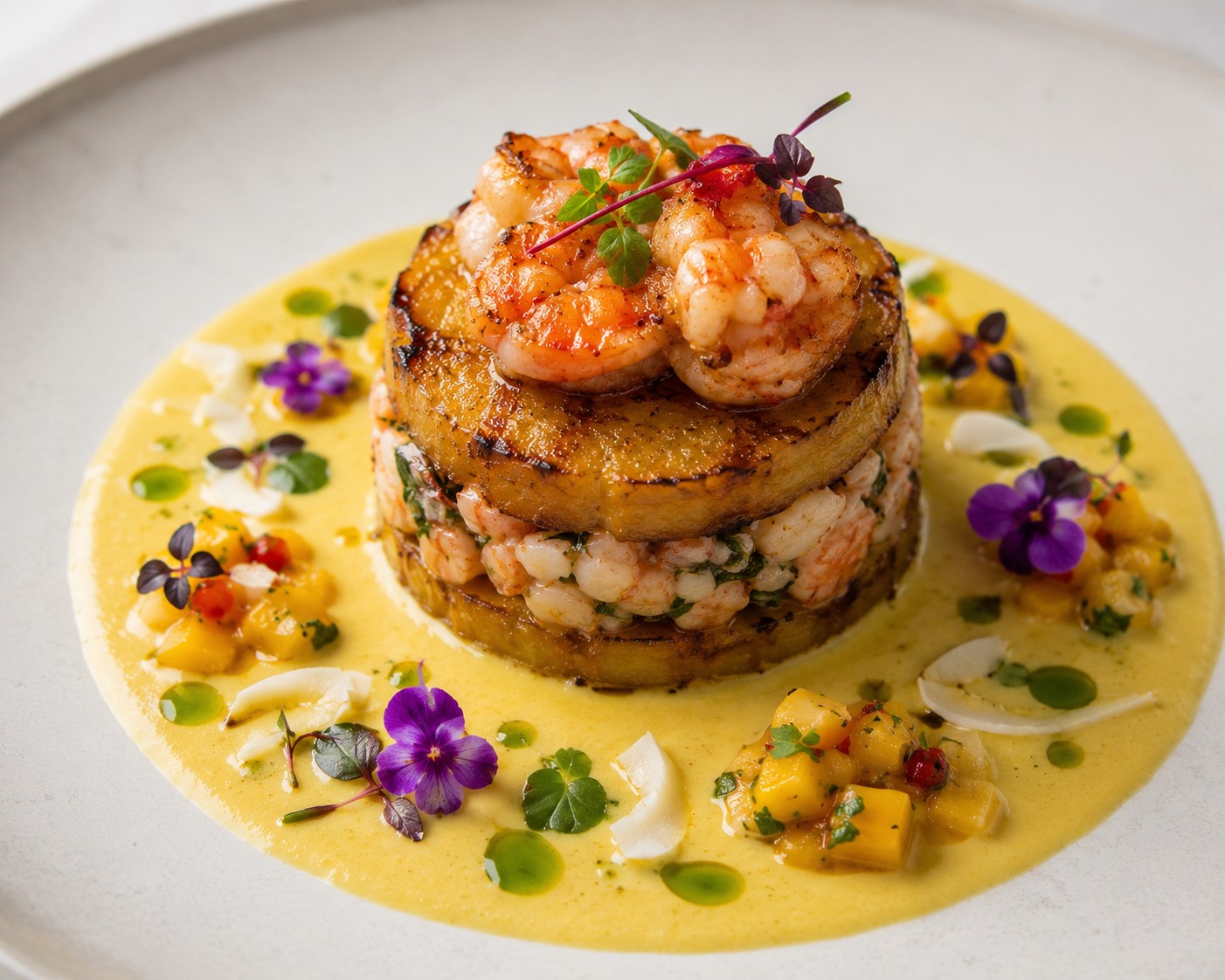
Michelin-star plantain and king prawn timbale served with saffron coconut velouté, mango pearls, herb oil, micro herbs, and edible flowers on an elegant fine-dining plate – recipe and image created by Nicol Retailer Limited.

If you’re looking to create a truly unforgettable fine-dining experience at home, this Plantain & King Prawn Timbale with Saffron Coconut Velouté delivers elegance, flavour, and Michelin-inspired presentation in every bite. It combines sweet roasted plantains, succulent king prawns, luxurious saffron-infused coconut velouté, vibrant mango pearls, and aromatic herb oil. This sophisticated seafood dish celebrates the very best of Caribbean-inspired ingredients. At the same time, it features refined French culinary techniques.

Perfect for special occasions, gourmet dinner parties, tasting menus, and luxury entertaining, this recipe transforms humble plantains into an extraordinary restaurant-quality masterpiece. It is as visually stunning as it is delicious.

Why This Plantain & King Prawn Recipe Works

The secret to this exceptional dish lies in the balance of flavours and textures. The natural sweetness of ripe plantains complements the delicate sweetness of king prawns. Meanwhile, the silky saffron coconut velouté adds richness and aromatic depth.

Each element contributes something special:

  • Roasted plantains provide sweetness and structure.
  • King prawns add delicate seafood richness.
  • Saffron coconut velouté delivers creamy luxury.
  • Mango pearls introduce brightness and acidity.
  • Herb oil enhances freshness and presentation.

Together, these ingredients create a sophisticated dish worthy of a Michelin-starred menu.


The Beauty of Ripe Plantains in Fine Dining

Plantains are a staple ingredient throughout the Caribbean, Africa, and Latin America. Yet they remain one of the most underrated ingredients in gourmet cuisine. When fully ripe, plantains develop:

  • Natural sweetness
  • Rich caramel notes
  • Silky texture
  • Beautiful golden colour

Roasting plantains intensifies these characteristics, creating a luxurious component that pairs beautifully with premium seafood. This recipe demonstrates how plantains can be elevated beyond traditional dishes and transformed into an elegant fine-dining ingredient.

Recipe

Experience the perfect fusion of Caribbean flavours and Michelin-inspired elegance with this exceptional Plantain & King Prawn Timbale with Saffron Coconut Velouté. It combines layers of sweet roasted ripe plantains, succulent king prawns, luxurious saffron-infused coconut velouté, vibrant mango pearls, and aromatic herb oil. This sophisticated seafood dish transforms premium ingredients into a truly unforgettable fine-dining experience. The whole dish is beautifully balanced with tropical sweetness, delicate seafood richness, and silky textures. As a result, this gourmet recipe is ideal for special occasions, dinner parties, tasting menus, and luxury home entertaining. Follow the step-by-step instructions below to create a restaurant-quality dish. It showcases the versatility of ripe plantains while delivering stunning presentation and exceptional flavour worthy of a Michelin-starred menu.
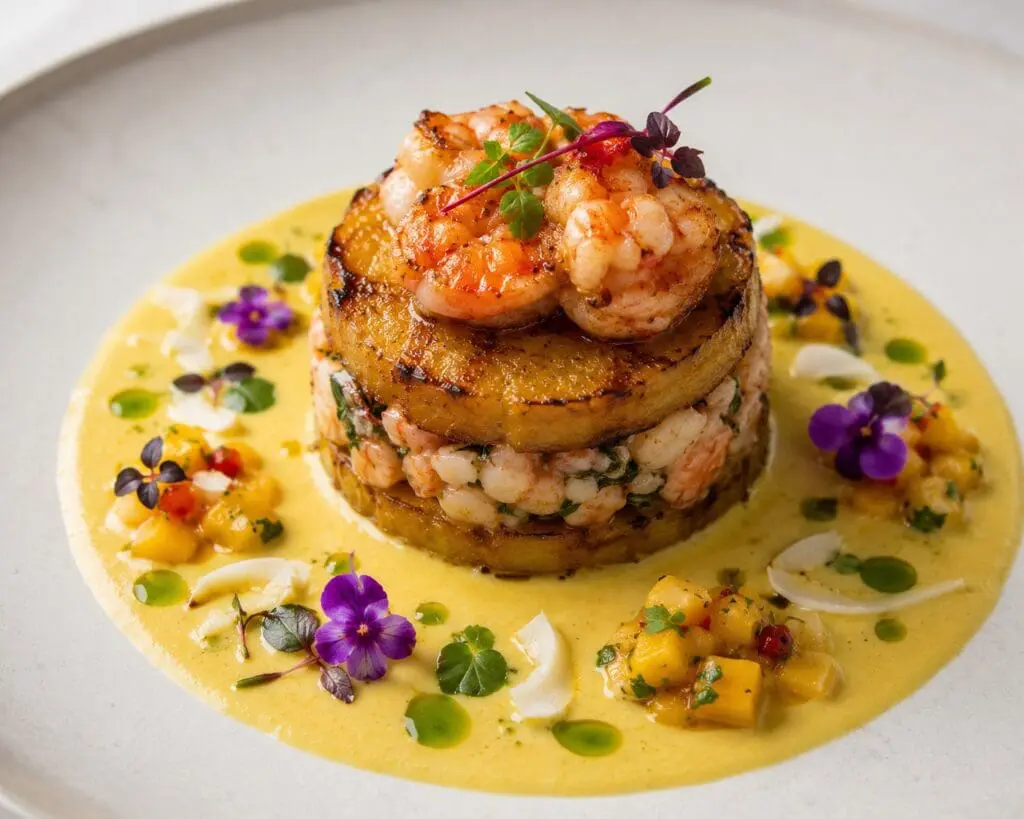
Michelin-star plantain and king prawn timbale served with saffron coconut velouté, mango pearls, herb oil, micro herbs, and edible flowers on an elegant fine-dining plate – recipe and image created by Nicol Retailer Limited.

Plantain & King Prawn Timbale with Saffron Coconut Velouté

Print Recipe
This refined Michelin-inspired dish layers sweet ripe plantains with succulent king prawns, creating an elegant timbale served with silky saffron coconut velouté and finished with mango pearls and herb oil. The combination of sweet, savoury, and aromatic flavours makes this a stunning centrepiece for luxury dining.
Course Dinner Party Centrepiece, Elegant Main Course, Fine Dining Appetiser, Seafood Entrée, Special Occasion Dish, Starter
Cuisine Contemporary Seafood Cuisine, French-Inspired Fine Dining, Michelin-Star Inspired Cuisine, Modern European Fusion, Tropical Gourmet Cuisine
Diet Gluten Free, Low Fat
Keyword gourmet plantain recipe, king prawn fine dining recipe, Michelin star seafood recipe, plantain and prawn recipe,, plantain timbale recipe, saffron coconut velouté
Prep Time 30 minutes
Cook Time 30 minutes
Servings 4 People
Calories 480

Ingredients

Plantain & Prawn Timbale

Mango Pearls

Herb Oil

  • 50 ml olive oil
  • Handful parsley
  • Handful coriander

Garnish

  • Micro herbs
  • Edible flowers
  • Toasted coconut flakes
  • Lime zest

Instructions

Prepare the Plantains

  • Slice plantains lengthways.
  • Brush lightly with butter.
  • Roast at 190°C for 15 minutes until tender.
  • Set aside.

Cook the Prawns

  • Sauté shallots in butter.
  • Add prawns and thyme.
  • Cook for 2–3 minutes until just cooked.
  • Season lightly.
  • Roughly chop.

Build the Timbale

  • Using a ring mould: Layer: Roasted plantain, Prawn mixture & Plantain
  • Repeat until mould is filled. Keep warm.

Make the Velouté

  • Sauté shallots in butter.
  • Add stock, coconut milk, and saffron.
  • Simmer gently for 10 minutes.
  • Blend and strain until silky smooth.

Prepare Mango Pearls

  • Mix mango, lime juice and coriander.
  • Chill until serving.

Herb Oil

  • Blend herbs with olive oil and strain.

Michelin-Star Plating

  • Place the timbale in the centre of a warm plate.
  • Pour saffron coconut velouté around the base.
  • Add small spoonfuls of mango pearls.
  • Dot herb oil around the sauce.
  • Finish with: Micro herbs, toasted coconut flakes, lime zest & edible flowers

Notes

For the most luxurious results, choose fully ripe plantains with black-speckled skins, as they provide maximum sweetness, natural caramelisation, and a silky texture that complements the delicate king prawns. Roasting the plantains before assembling the timbale enhances their flavour while creating a refined sweetness that balances beautifully with the rich saffron coconut velouté.
When cooking the prawns, avoid overcooking to maintain their tender, succulent texture. Fresh king prawns deliver the best flavour and presentation, while the saffron-infused velouté should be strained before serving to achieve the smooth, elegant finish expected in Michelin-inspired cuisine. The mango pearls add freshness and acidity, helping to balance the richness of the coconut sauce and seafood.
For a restaurant-quality presentation, use a ring mould to create clean layers and finish with micro herbs, edible flowers, and delicate drops of herb oil. This dish is ideal for dinner parties, tasting menus, special occasions, and gourmet entertaining.

Vegan Version

To create a completely vegan version of this recipe, replace the king prawns with thick slices of king oyster mushrooms, grilled hearts of palm, or roasted young jackfruit. Substitute the seafood stock with a rich vegetable stock and replace the butter in the saffron coconut velouté with extra virgin olive oil or vegan butter. The sweet plantains, creamy coconut velouté, vibrant mango pearls, and aromatic herb oil remain unchanged, creating a stunning plant-based fine-dining dish with all the elegance, flavour, and visual appeal of the original recipe.

Gluten-Free Version

This recipe is naturally gluten-free when prepared with certified gluten-free ingredients, making it an excellent choice for guests with gluten sensitivities.

Nutrition

Serving: 330g | Calories: 480kcal | Carbohydrates: 38g | Protein: 24g | Fat: 24g | Saturated Fat: 11g | Cholesterol: 145mg | Sodium: 520mg | Potassium: 680mg | Fiber: 4g | Sugar: 15g

Serving Suggestions

This luxurious Plantain & King Prawn Timbale with Saffron Coconut Velouté is designed to be the centrepiece of an elegant dining experience. Its combination of sweet roasted plantains, succulent king prawns, silky saffron coconut sauce, and vibrant mango pearls makes it versatile enough to be served as a sophisticated starter, an impressive seafood main course, or a standout tasting menu dish.

For a refined starter course, serve a smaller timbale portion alongside a light citrus-dressed micro herb salad. The freshness of the salad complements the richness of the saffron coconut velouté. At the same time, this allows the delicate flavours of the king prawns and roasted plantains to shine.

As a main course, pair the dish with grilled asparagus, roasted baby carrots, charred tenderstem broccoli, or sautéed green beans. These vegetables add colour, texture, and freshness while maintaining the fine-dining elegance of the plate. A side of coconut-infused jasmine rice, wild rice, or saffron rice can also be served. This will absorb the luxurious velouté and create a more substantial meal.

For a Caribbean-inspired menu, accompany the timbale with grilled pineapple, mango and avocado salsa, roasted sweet potato wedges, or plantain crisps to enhance the tropical flavour profile. The natural sweetness of these ingredients beautifully complements the saffron, coconut, and seafood elements of the dish.

When serving for a special occasion or dinner party, elevate the presentation with edible flowers, micro herbs, delicate herb oil droplets, and finely grated lime zest. These finishing touches add vibrant colour, freshness, and a Michelin-style visual appeal that will impress guests from the moment the dish reaches the table.

Beverage Pairings

For non-alcoholic options, consider:

  • Sparkling lime and mint water
  • Passion fruit spritz
  • Mango and ginger cooler
  • Coconut-infused sparkling water
  • Citrus botanical mocktails
  • Fine Dining Tasting Menu Pairing

For a Michelin-inspired tasting menu experience, serve this dish after a light seafood appetiser such as seared scallops or cured salmon and before a richer fish or meat course. Its balance of sweetness, acidity, and creamy richness makes it an excellent transition dish within a multi-course menu.

Whether enjoyed as a gourmet starter, elegant main course, or luxury tasting menu feature, this Plantain & King Prawn Timbale with Saffron Coconut Velouté delivers restaurant-quality flavour, sophisticated presentation, and a memorable dining experience that showcases the versatility of ripe plantains and premium seafood.
Posted on

Charred Okra with Saffron Yoghurt, Crispy Shallots & Pomegranate Molasses – A Michelin-Inspired Gourmet Recipe

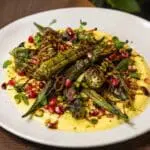
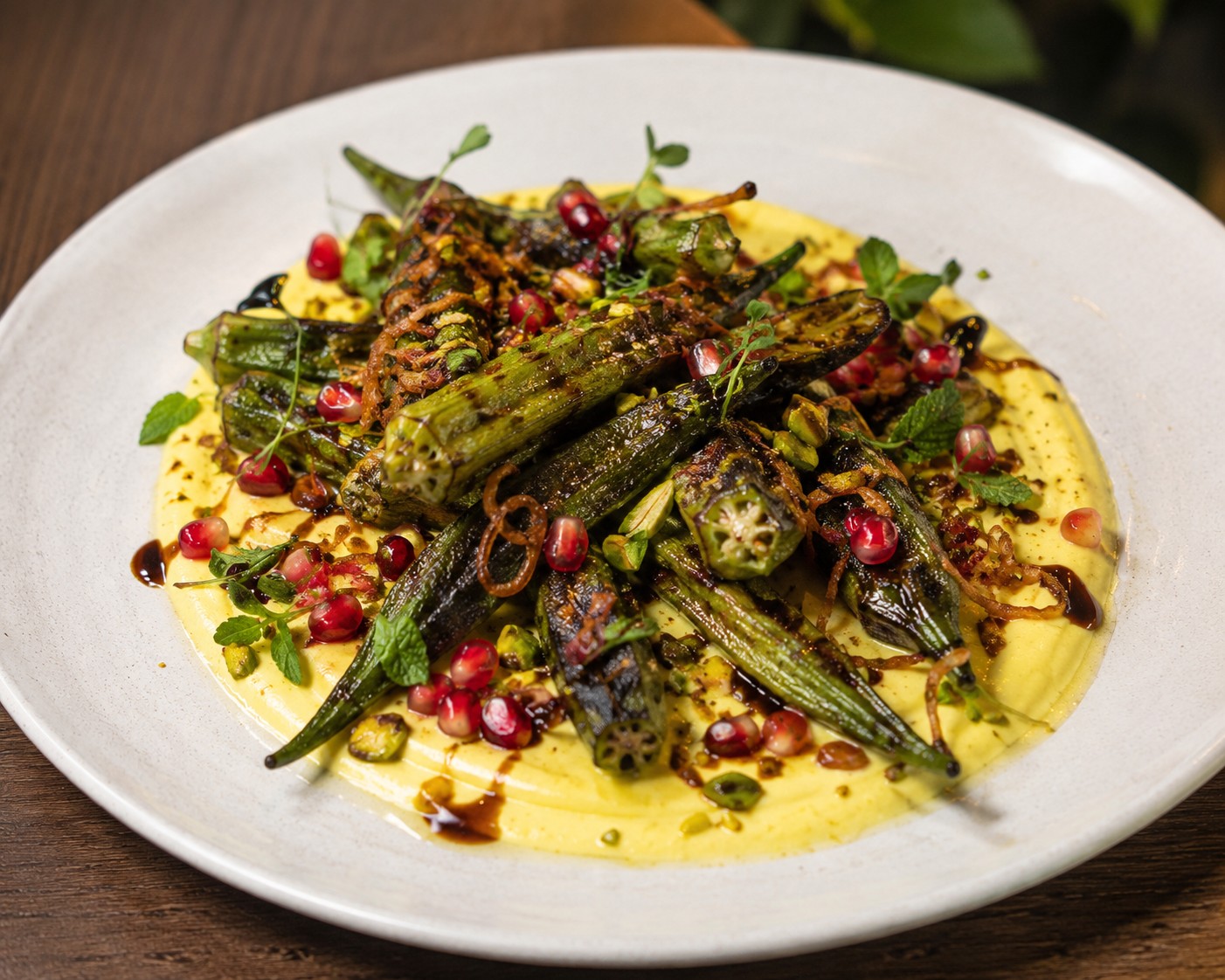
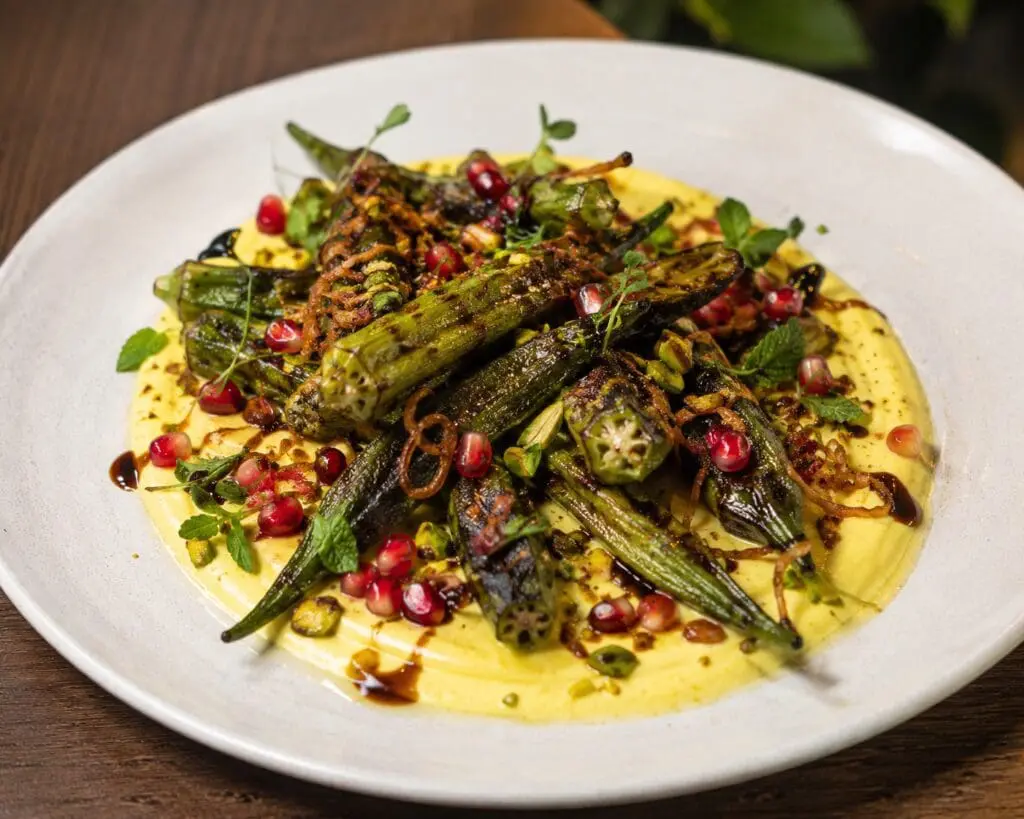
Charred fresh okra served with saffron yoghurt, crispy shallots, pistachios, pomegranate seeds, and pomegranate molasses on a gourmet fine-dining plate – recipe and image created by Nicol Retailer Limited.

If you’re looking for a unique and sophisticated way to enjoy fresh okra (ladies’ fingers), this Charred Okra with Saffron Yoghurt, Crispy Shallots & Pomegranate Molasses recipe transforms a humble vegetable into a stunning Michelin-inspired culinary masterpiece. It combines smoky charred okra, luxurious saffron yoghurt, sweet-tart pomegranate, and crispy shallots. As a result, this dish delivers exceptional flavour, texture, and visual appeal.

Perfect as a gourmet starter, elegant vegetarian dish, or impressive sharing plate, this recipe showcases how premium ingredients and refined presentation can elevate everyday vegetables. In other words, it creates restaurant-quality dining experiences.

Why This Gourmet Okra Recipe Works

Okra is often overlooked in modern cooking, yet it is one of the most versatile and nutritious vegetables available. When cooked correctly at high heat, fresh okra develops a delicious smoky flavour and tender texture. It also maintains its vibrant colour and nutritional benefits. This recipe balances multiple flavour profiles:

  • Smoky charred okra
  • Creamy saffron-infused yoghurt
  • Crispy golden shallots
  • Sweet pomegranate molasses
  • Fresh herbs and pistachios

The result is a sophisticated dish that feels luxurious while remaining simple to prepare.

Fresh vegetables play an important role in a healthy balanced diet, as recommended by the NHS Eatwell Guide: https://www.nhs.uk/live-well/eat-well/food-guidelines-and-food-labels/the-eatwell-guide/

Elevating Fresh Okra into Fine Dining

At the heart of this recipe is premium fresh okra (ladies’ fingers). By charring the okra over high heat, you create rich caramelisation and smoky depth while preserving the vegetable’s natural freshness. Unlike traditional stewed okra dishes, this modern approach delivers:

  • Crisp edges
  • Tender centres
  • Vibrant colour
  • Refined presentation

The high-heat cooking method also helps minimise excess moisture. Additionally, it creates the beautiful blistered appearance often seen in Michelin-starred vegetable dishes.

Recipe

Discover a sophisticated new way to enjoy fresh okra (ladies’ fingers) with this elegant Charred Okra with Saffron Yoghurt, Crispy Shallots & Pomegranate Molasses recipe. Inspired by Michelin-star dining, this stunning dish transforms a simple vegetable into a gourmet culinary experience. This is achieved through the perfect combination of smoky charred okra, luxurious saffron-infused yoghurt, crunchy crispy shallots, sweet pomegranate seeds, and toasted pistachios. The recipe is beautifully balanced with rich textures, vibrant colours, and bold Mediterranean-inspired flavours. Therefore, it is ideal for elegant entertaining, fine-dining vegetarian menus, healthy gourmet cooking, or impressive dinner party starters. Follow the step-by-step instructions below to create a restaurant-quality dish. It showcases the incredible versatility of fresh okra while delivering exceptional flavour and sophisticated presentation.

Charred fresh okra served with saffron yoghurt, crispy shallots, pistachios, pomegranate seeds, and pomegranate molasses on a gourmet fine-dining plate – recipe and image created by Nicol Retailer Limited.

Charred Okra with Saffron Yoghurt, Crispy Shallots & Pomegranate Molasses

Print Recipe
This sophisticated Michelin-inspired dish transforms humble fresh okra (ladies' fingers) into a stunning gourmet starter. Lightly charred okra is paired with luxurious saffron yoghurt, crispy shallots, pomegranate jewels, and aromatic herbs to create a dish bursting with texture, colour, and flavour
Course Fine Dining Starter, Main Course, Vegetarian fine dining
Cuisine Gourmet Vegetarian Cuisine, Michelin-Star Inspired Fine Dining, Middle Eastern Inspired, Modern European, Modern Vegetarian
Diet Gluten Free, Vegetarian
Keyword charred okra recipe, fresh okra recipe, gourmet okra recipe, Michelin star vegetarian recipe, saffron yoghurt recipe
Prep Time 20 minutes
Cook Time 10 minutes
Servings 4 People
Calories 210

Instructions

Prepare the Saffron Yoghurt

  • Soak saffron threads in warm water for 5 minutes.
  • Mix with: Greek yoghurt, Lemon juice & Salt
  • Refrigerate until needed.
  • This creates a luxurious golden yoghurt with delicate floral notes.

Make the Crispy Shallots

  • Heat oil in a small pan.
  • Fry shallots until golden brown and crisp.
  • Drain on kitchen paper.
  • These add a Michelin-style crunch.

Char the Okra

  • Pat the okra dry thoroughly.
  • Heat a cast-iron pan until smoking hot.
  • Toss okra with olive oil, salt, and pepper.
  • Cook for 4–5 minutes, turning occasionally until blistered and lightly charred.
  • High heat creates smoky flavour while keeping the okra tender.

Assemble the Dish

  • Spread saffron yoghurt across a serving plate.
  • Arrange charred okra elegantly on top.
  • Scatter over: crispy shallots, pomegranate seeds & toasted pistachios.
  • Finish with pomegranate molasses drizzle, lemon zest, mint leaves & micro herbs.

Michelin-Star Plating

  • Create a swoosh of saffron yoghurt across the plate.
  • Arrange the okra in an artistic overlapping pattern.
  • Add height using crispy shallots and micro herbs.
  • Finish with delicate drops of pomegranate molasses and vibrant pomegranate seeds for dramatic colour contrast.

Notes

For the best results, choose fresh, firm okra (ladies’ fingers) and pat them completely dry before cooking to achieve a beautiful char without excess moisture. Cooking the okra over high heat helps create a smoky flavour and tender texture while preserving its vibrant colour and nutritional value. The saffron yoghurt adds a luxurious Michelin-style element, while the crispy shallots, pistachios, and pomegranate seeds provide layers of crunch, freshness, and visual appeal.
This elegant dish works wonderfully as a gourmet starter, light lunch, sharing platter, or sophisticated vegetarian main course. For additional flavour, finish with extra pomegranate molasses, fresh herbs, or a squeeze of lemon just before serving.
Vegan Version
To make this recipe completely vegan, simply replace the Greek yoghurt with a thick plant-based alternative such as coconut yoghurt, oat yoghurt, or almond yoghurt. Ensure the pomegranate molasses contains no animal-derived ingredients and use the same garnishes for a luxurious plant-based fine-dining experience. The result is an equally creamy, flavourful, and visually stunning vegan dish that retains all the sophistication of the original recipe.

Nutrition

Serving: 2202 | Calories: 210kcal | Carbohydrates: 18g | Protein: 7g | Fat: 12g | Saturated Fat: 2.5g | Cholesterol: 8mg | Sodium: 180mg | Potassium: 420mg | Fiber: 6g | Sugar: 8g

Serving Suggestions

This elegant Charred Okra with Saffron Yoghurt, Crispy Shallots & Pomegranate Molasses dish is incredibly versatile and can be served as a sophisticated starter, luxury sharing plate, or light vegetarian main course. The smoky charred okra and creamy saffron yoghurt pair beautifully with warm flatbreads, grilled sourdough, or artisan pita. In this way, guests can enjoy every element of the vibrant sauce and garnishes.

For a complete Mediterranean-inspired dining experience, serve alongside hummus, baba ganoush, marinated olives, roasted vegetables, and fresh herb salads. The dish also complements grilled halloumi, roasted cauliflower steaks, or spiced chickpea dishes. Therefore, it is ideal for vegetarian entertaining and mezze-style feasting.

If serving as a main course, pair it with fluffy couscous, fragrant quinoa, wild rice, or a refreshing pomegranate and mint salad to create a balanced and satisfying meal. Furthermore, the sweet-tart notes of the pomegranate molasses and the aromatic saffron yoghurt work beautifully with grilled fish, lamb, or Middle Eastern-inspired dishes for those looking to create a larger gourmet menu.

For drinks, this recipe pairs wonderfully with sparkling water infused with lemon and mint, fresh pomegranate juice, crisp white wines, or light rosé wines. Each of these options complements the fresh herbs and vibrant Mediterranean flavours.

Whether served at a dinner party, festive gathering, luxury brunch, or fine-dining vegetarian meal, this Michelin-inspired okra dish delivers exceptional flavour, stunning presentation, and a memorable culinary experience.

Fresh Okra (Ladies’ Fingers) – Available to Buy from Nicol Retailer Limited

Looking for a versatile, nutritious, and delicious vegetable to elevate your cooking? Our premium Fresh Okra (Ladies’ Fingers) 500g is the perfect ingredient for creating everything from traditional family favourites to sophisticated Michelin-inspired dishes.

Carefully selected for freshness and quality, okra is prized for its tender texture, vibrant green colour, and ability to absorb rich flavours beautifully. Whether you’re preparing curries, stews, stir-fries, grilled vegetable platters, or gourmet recipes like our Charred Okra with Saffron Yoghurt, Crispy Shallots & Pomegranate Molasses, fresh okra adds both flavour and nutritional value to every meal.

Why Choose Our Fresh Okra?

  • Freshly sourced premium-quality produce
  • Rich in fibre, vitamins, and antioxidants
  • Perfect for Mediterranean, African, Caribbean, Indian, and Middle Eastern cuisine
  • Ideal for grilling, roasting, frying, and stewing
  • Suitable for vegetarian, vegan, and gluten-free diets

Health Benefits of Okra

Okra, also known as ladies’ fingers, is one of the most nutritious vegetables you can add to your diet. Valued for centuries in African, Middle Eastern, Caribbean, Mediterranean, and Asian cuisines, okra is packed with essential vitamins, minerals, fibre, and antioxidants that support overall health and wellbeing. Its unique texture, versatility, and impressive nutritional profile make it an excellent ingredient for both everyday meals and gourmet recipes. Fresh okra is naturally rich in:

  • Dietary fibre
  • Vitamin C
  • Vitamin K
  • Folate
  • Potassium
  • Antioxidants

It is a nutritious addition to a balanced diet and an excellent choice for those looking to enjoy more fresh vegetables. Learn more about the nutritional benefits of vegetables and plant-based eating from the British Nutrition Foundation: https://www.nutrition.org.uk

Create Restaurant-Quality Dishes at Home

From comforting traditional recipes to modern fine-dining creations, fresh okra is one of the most versatile vegetables available. Its unique texture and ability to pair with bold spices, herbs, yoghurt, and citrus make it a favourite ingredient among chefs. As a result, it is also embraced by home cooks alike.

🛒 Buy Fresh Okra (Ladies’ Fingers) 500g today: Bring premium fresh produce into your kitchen and discover why okra is loved around the world for its flavour, versatility, and nutritional benefits.

This Charred Okra with Saffron Yoghurt, Crispy Shallots & Pomegranate Molasses recipe celebrates fresh produce in its most elegant form. Combining smoky, creamy, crunchy, and sweet flavours in one beautifully plated dish, it brings fine-dining sophistication to your kitchen. At the same time, it remains approachable and achievable.

Perfect for special occasions, vegetarian dining, and gourmet food lovers, this Michelin-inspired recipe showcases the incredible versatility of fresh okra and proves that exceptional cooking starts with exceptional ingredients.

Posted on

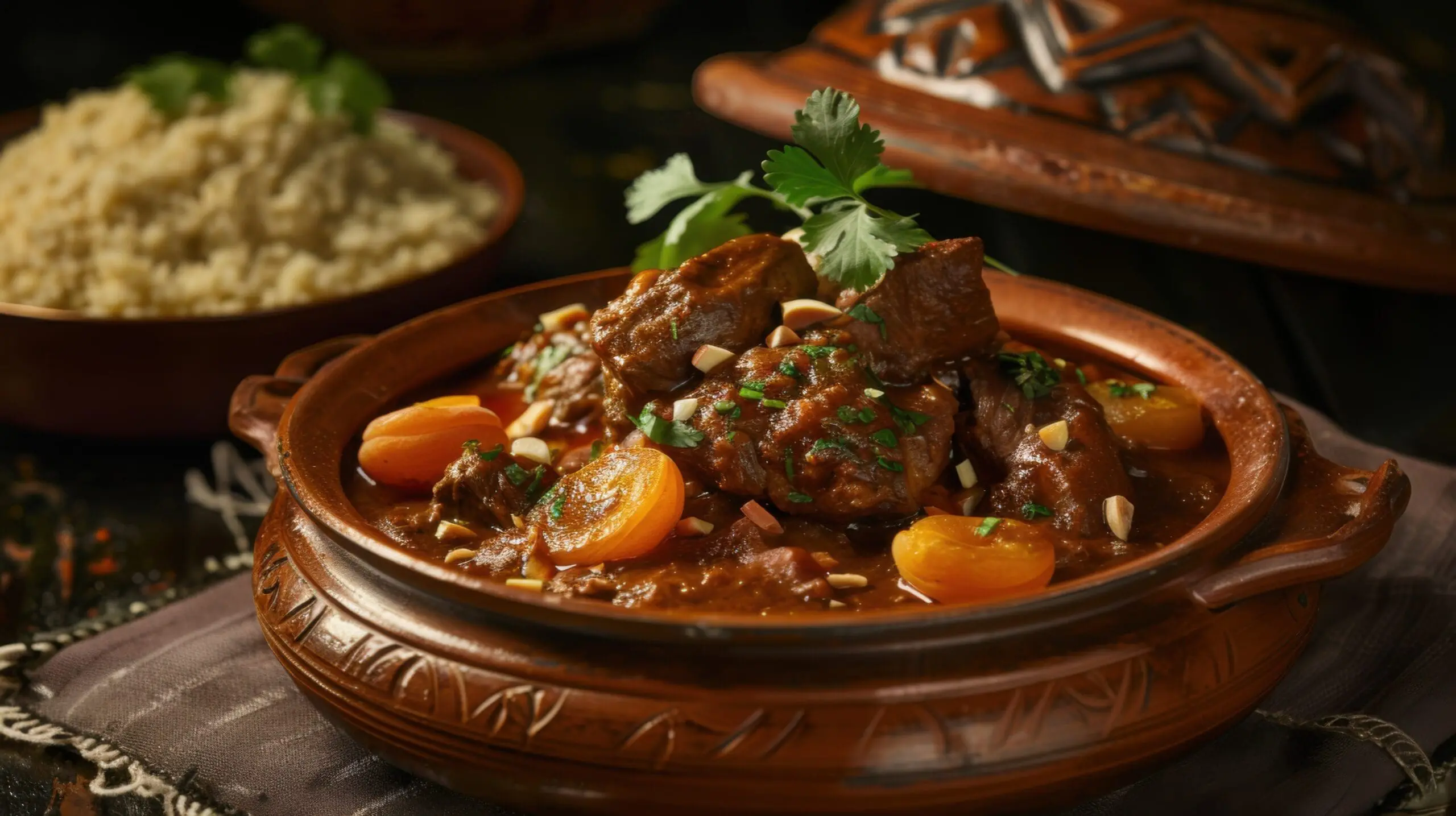
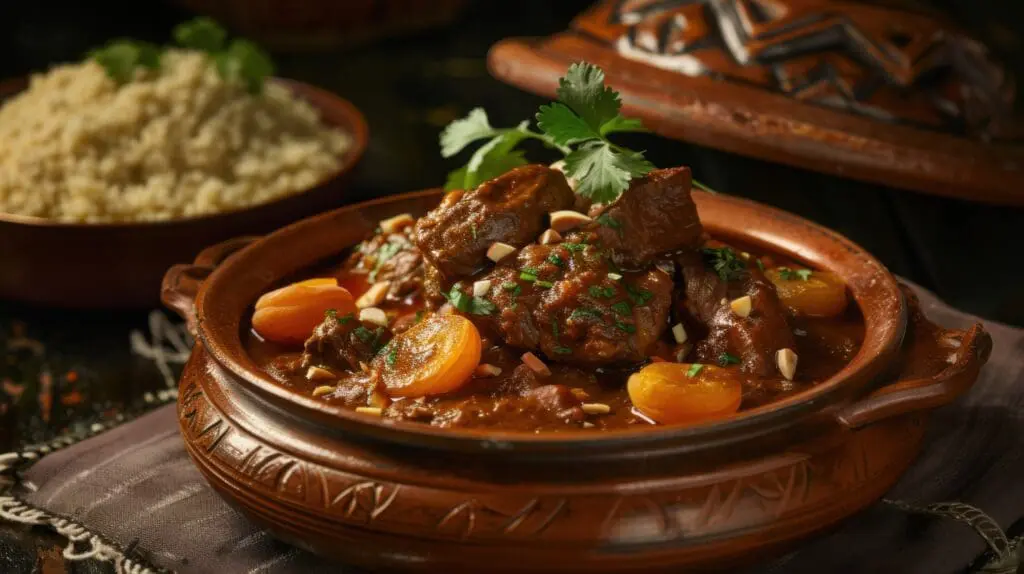
Moroccan Lamb Tagine: A Delightful Recipe with Apricots and Chickpeas

The Moroccan Lamb Tagine is a traditional North African dish that brings a wonderful mix of flavours and aromas into your home. This classic recipe showcases succulent lamb paired with the natural sweetness of apricots and the hearty texture of chickpeas. With an assortment of vibrant spices and fresh herbs, every bite of this dish is a burst of flavours.

Introduction to Moroccan Lamb Tagine

A significant part of Moroccan cuisine, tagines are named after the earthenware pot in which they are cooked. The unique design of the tagine pot, with its conical lid, allows steam to circulate and ensures that the meat remains tender and juicy. However, even without this special pot, the Moroccan Lamb Tagine can still be made with impressive results using a Dutch oven or slow cooker.

The origins of the Moroccan Lamb Tagine date back centuries, with influences from Berber, Arab, and Andalusian cultures. It’s a dish that not only tastes good but also tells a story of a rich culinary heritage. The combination of sweet and savoury ingredients, along with aromatic spices, exemplifies the essence of Moroccan cooking.

This dish is ideal for both special occasions and everyday meals, offering a hearty and satisfying option that is both nutritious and flavourful. The lamb, cooked slowly to absorb the spices and sweetness from the apricots, results in a dish that is rich in taste and deeply comforting. Preparing a Moroccan Lamb Tagine at home is more than just cooking; it’s an experience that brings the vibrant and colourful world of Moroccan cuisine into your kitchen.

Here is the recipe:

Moroccan Lamb Tagine with Apricots, Chickpeas, Vegetables, Spices, and Fresh Herbs

Print Recipe
Savour a delightful Moroccan Lamb Tagine infused with apricots, chickpeas, vegetables, spices, and fresh herbs – a perfect dish to enjoy with loved ones!
Course Main Course
Cuisine African
Keyword Lamb Tagine, Moroccan Lamb Tagine recipes, Moroccan Lamb Tagine with Apricot recipe, Tagine Recipes
Prep Time 30 minutes
Cook Time 1 hour 30 minutes
Servings 4 People
Calories 451

Instructions

Prepare the Lamb

  • Season the lamb chunks with salt and pepper. Heat 1 tablespoon of olive oil in a large, heavy-based pan or tagine over medium-high heat. Brown the lamb in batches, ensuring it's well-sealed on all sides. Remove the lamb and set aside

Cook the Vegetables

  • In the same pan, reduce the heat to medium and add the remaining olive oil. Add the chopped onion and garlic, cooking until softened and golden, about 5 minutes.

Spice It Up

  • Stir in the ground cumin, coriander, cinnamon, ginger, turmeric, and cayenne pepper, if using. Cook for 1 minute until the spices release their fragrance.

Simmer the Tagine

  • Return the lamb to the pan, along with the chopped tomatoes and stock. Bring to a gentle simmer, cover, and cook for 45 minutes

Add Sweetness and Vegetables

  • Stir in the apricots, chickpeas, carrots, red pepper, courgette, aubergine, lemon zest, and honey. Continue to simmer, covered, for another 30-40 minutes until the lamb and vegetables are tender.

Finish with Herbs

  • Just before serving, stir in the fresh coriander and mint. Taste and adjust seasoning as needed.

Serve

  • Serve the lamb tagine hot with couscous or bread, allowing everyone to enjoy the rich, aromatic flavours.

Notes

Whilst the traditional method for making Moroccan Lamb Tagine involves using a tagine pot, modern alternatives like Dutch ovens and slow cookers can achieve similar results. The tagine pot’s design, with its conical lid, allows for optimal steam circulation, which helps the meat stay tender and moist. For those who don’t have this traditional cookware, a Dutch oven is an excellent substitute. When using a Dutch oven, keep the heat low to prevent the contents from burning, and stir occasionally to ensure even cooking.

Slow Cooker 

For the slow cooker method, follow the initial steps of searing the lamb and sautéing the vegetables on the hob. Then transfer everything, including the apricots, chickpeas, and stock, into the slow cooker. Set it on low and let it cook for six to eight hours. This method is especially convenient for busy days, as it requires minimal supervision while delivering a richly flavoured dish.

Oven 

If you prefer using the oven, preheat it to a low temperature, around 150°C (300°F). After browning the lamb and softening the vegetables on the hob, transfer them to an oven-safe pot. Add the apricots, chickpeas, and stock, then cover with a lid and place it in the oven for approximately two hours. This method mimics the slow-cooking environment of a tagine pot, ensuring the dish remains succulent and aromatic.

Ingredients 

The magic of Moroccan Lamb Tagine lies in its carefully selected ingredients. At the heart of the dish is the lamb, ideally bone-in pieces like shoulder or shank for added flavour. The apricots introduce a subtle sweetness that complements the rich meat, while chickpeas add texture and protein. A medley of vegetables such as onions, carrots, and courgettes enhance the dish’s nutritional profile and provide a balance of flavours. However, it is the spices that enhance the tagine: cumin, coriander, cinnamon, and ginger combine to create a warm and aromatic base. Fresh herbs like coriander and parsley finish the dish with a burst of colour and freshness.

Nutrition

Calories: 451kcal | Carbohydrates: 38g | Protein: 12g | Fat: 12g | Saturated Fat: 3g | Polyunsaturated Fat: 1g | Monounsaturated Fat: 5g | Sodium: 146mg | Potassium: 266mg | Fiber: 7g | Sugar: 19g | Vitamin A: 132IU | Vitamin C: 10mg | Calcium: 56mg | Iron: 3mg

Suggestions for Serving

To enhance the enjoyment of your Moroccan Lamb Tagine, serve it with a side of fluffy couscous, which perfectly absorbs the aromatic sauce. Alternatively, a warm, crusty bread is an excellent choice to mop up every last bit of the delicious juices. A fresh green salad with a citrus vinaigrette can provide a refreshing contrast, balancing the richness of the tagine. Roasted vegetables, such as aubergines or bell peppers, can also make a colourful and nutritious addition to the meal. For a more authentic experience, consider serving the tagine directly from the pot, encouraging a communal style of dining where everyone can help themselves. Garnishing with fresh coriander or parsley not only adds a burst of colour but also enhances the dish’s fresh flavours. A sprinkle of toasted almonds or sesame seeds can introduce a delightful crunch, adding texture to the dish. For those who enjoy a bit of spice, a side of harissa paste can offer an extra kick. Complement the meal with a Moroccan mint tea, which aids digestion and provides a soothing end to the feast.

Conclusion

The Moroccan Lamb Tagine with apricots and chickpeas presents a harmonious blend of savoury and sweet, enhanced by a rich array of spices. This dish embodies the essence of Moroccan cuisine, making it an exceptional addition to any meal plan. The slow-cooking process ensures that the lamb is tender and infused with the vibrant flavours of the apricots, chickpeas, and spices. Whether prepared in a traditional tagine pot, a Dutch oven, or a slow cooker, the result is consistently flavourful and satisfying. This recipe offers not only a delicious meal but also a way to explore the culinary traditions of Morocco in your own kitchen. Preparing a Moroccan Lamb Tagine can be a delightful experience.

Posted on

How to Make Delicious Jollof Rice

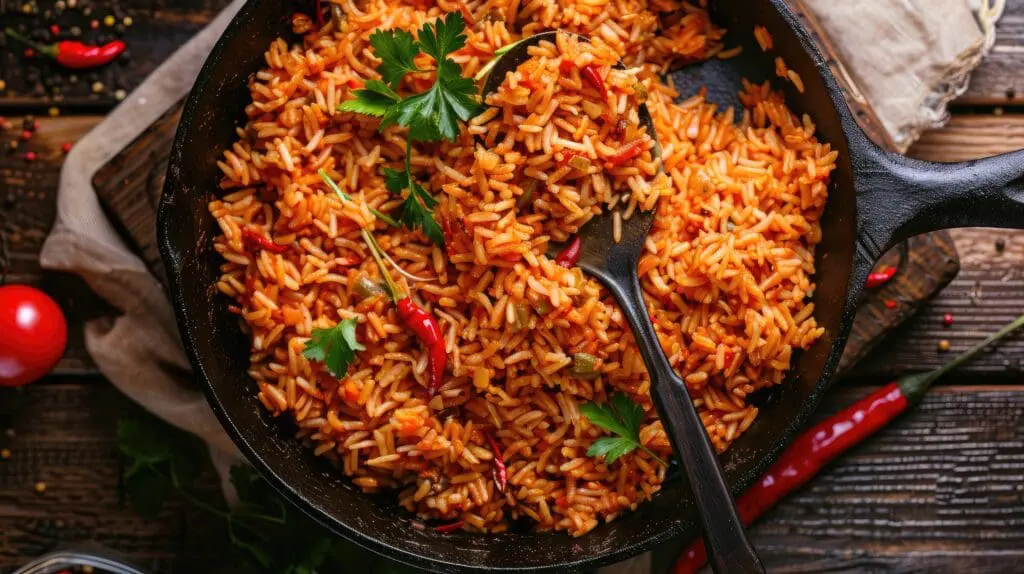
Jollof Rice is a lively and flavourful dish that holds a special place in many West African countries. Renowned for its rich tomato base and aromatic spices, Jollof Rice transcends being merely a meal; it is a cultural experience. Whether served at a family gathering or a festive celebration, this dish consistently delights. Originating from the Wolof people of Senegal and The Gambia, Jollof Rice has since evolved into a culinary favourite across West Africa, with each nation adding its own distinct twist.

The dish is marked by its deep red hue, derived from a mixture of tomatoes and red bell peppers. The heat of Scotch bonnet peppers adds a punch, while the aromatic blend of thyme and curry powder imparts depth to the dish. Fresh onions and garlic enhance its fragrant appeal, making it enticing from the moment it begins to cook.

Jollof Rice is more than just food; it is a celebration of West African culinary heritage, bringing people together with its rich tastes and vibrant presentation. Here is a step-by-step guide to making authentic and delicious Jollof Rice

Delicious Jollof Rice Recipe

Print Recipe
Learn how to make delicious, authentic Jollof rice with this easy step-by-step recipe guide. Packed with rich tomato flavour, aromatic spices, and perfectly cooked rice, this classic West African dish is ideal for family meals, parties, or special occasions. Whether you're new to Jollof rice or looking to perfect your technique, this recipe delivers bold taste and reliable results every time.
Course Dinner, lunch, Main Course, Side Dish
Cuisine African, Ghanaian, Nigerian, West African
Diet Gluten Free, Halal
Keyword comfort food, flavorful, Jollof rice, Jollof Rice Recipe, one-pot, spicy
Prep Time 15 minutes
Cook Time 45 minutes
Servings 4 People

Instructions

Preparation

  • Rinse the rice thoroughly in cold water to remove excess starch, then set aside.
  • Blend the tinned tomatoes, red bell peppers, and optional scotch bonnet pepper until smooth.

Cooking

  • In a large pot, heat the olive oil over medium heat. Add the chopped onion and garlic, and cook until softened. Add the tomato paste and fry for another 2 minutes.
  • Stir in the ground ginger, thyme, and curry powder, and cook for another minute.
  • Add the blended tomato and pepper mix to the pot. Cook on medium heat for about10-15 minutes until the sauce reduces and thickens.
  • Pour in the chicken stock and bring to a boil,
  • Add the rice to the pot, stir well, and season with salt and black pepper
  • Cover the pot, reduce the heat to low, and allow the rice to cook for 25-30 minutes, or until the rice is cooked and has absorbed the liquid. Stir occasionally to prevent sticking
  • Once cooked, fluff the rice with a fork.
  • Garnish with fresh parsley if desired and serve hot.

Notes

For the best Jollof rice, use long-grain parboiled rice as it holds its shape and absorbs the rich tomato and spice base without becoming mushy. Allow the rice to steam on low heat after cooking, this is key to achieving the signature smoky flavour and perfectly tender texture. Adjust chilli levels to suit your taste, and avoid stirring too often to prevent the rice from breaking.
For added depth, you can include grilled chicken, prawns, or beef as a side, or stir in vegetables like peppers and peas for extra colour and nutrition.
Vegan Variation 
This recipe is naturally easy to adapt for a vegan diet. Simply:
Use vegetable stock instead of chicken stock
Skip any meat or fish additions
Add hearty vegetables such as mushrooms, carrots, green beans, or chickpeas for protein and texture
Ensure any stock cubes or seasonings used are fully plant-based
The result is a rich, flavour-packed vegan Jollof rice that’s just as satisfying and perfect for sharing.

Cooking Methods

Different techniques can be employed to cook Jollof Rice, each yielding distinct results:

Stovetop Method: This classic method involves cooking the rice on a low flame. It requires attentive monitoring to ensure the rice absorbs the sauce fully and cooks evenly. This method is particularly favoured for achieving a slight crust at the bottom, enhancing the dish with an authentic smoky flavour.

Oven Method: Baking Jollof Rice in the oven provides a consistent heat source, which helps prevent the bottom from burning. To use this method, transfer the mixed rice and sauce into an oven-safe dish, cover with foil, and bake at 180°C (350°F) for about 30-40 minutes. This technique can produce a slightly different texture but is equally flavourful.

Pressure Cooker Method: For those short on time, a pressure cooker can expedite the process while preserving the dish’s robust flavours. Combine the blended mixture, stock, and rinsed rice in the pressure cooker, ensuring the liquid covers the rice adequately. Cook on high pressure for about 15 minutes, then let it naturally release the pressure. This method delivers tender rice in a fraction of the time.

No matter which method you choose, attention to detail is crucial. Ensure the rice absorbs the sauce entirely, as this is key to achieving the rich, savoury taste that defines Jollof Rice. The stovetop and pressure cooker methods are excellent for capturing the traditional essence of the dish, while the oven method offers a hands-off approach for those who prefer minimal supervision. Each method has its own unique advantages, allowing you to tailor the cooking process to your preferences and schedule.

Suggestions for Serving

Jollof Rice is versatile and pairs well with a variety of side dishes that enhance its rich flavours. Here are some popular accompaniments:

Fried Plantains: Sweet and caramelised, fried plantains offer a delightful contrast to the savoury rice.

Grilled Chicken or Beef: Marinated and grilled meats add a robust flavour, complementing the aromatic spices of the Jollof Rice.

Mixed Vegetable Salad: A fresh salad with a light dressing can provide a refreshing balance to the dish.

Fried Fish: Crispy on the outside and tender on the inside, fried fish pairs excellently with the rice’s rich tomato base.

For a vibrant presentation, serve Jollof Rice on a large platter and garnish with sliced onions or fresh herbs to add a touch of colour. These side dishes not only enhance the overall meal but also add variety, making your dining experience more enjoyable.

Variations and Enhancements

Jollof Rice is a dish that lends itself well to various adaptations, allowing you to explore different flavours and ingredients to suit your preferences. Here are some popular variations:

Seafood Jollof

Infuse your Jollof Rice with a coastal essence by incorporating seafood such as prawns, mussels, or calamari. These ingredients not only add a unique taste but also elevate the dish’s visual appeal. To prepare, simply add the seafood towards the end of the cooking process to avoid overcooking and maintain their tender texture.

Vegetable Jollof

For a healthier twist, you can enrich your Jollof Rice with an assortment of fresh vegetables. Common additions include peas, carrots, green beans, and bell peppers. These not only contribute to the nutritional value of the meal but also introduce vibrant colours and a variety of textures.

Coconut Jollof

Adding coconut milk can transform your Jollof Rice into a rich and creamy delight. The subtle sweetness and creamy texture of the coconut milk provide a pleasant contrast to the spices, creating a harmonious blend of flavours. Simply replace a portion of the stock with coconut milk and proceed with the recipe as usual.

For those who enjoy experimenting, here are a few more suggestions to personalise your Jollof Rice:

Smoked Turkey or Chicken: Introducing smoked meats such as turkey or chicken can add a deep, smoky flavour that complements the tomato base. Dice the meat into bite-sized pieces and mix it into the rice during the final stages of cooking to distribute the flavours evenly.

Mushrooms: Adding mushrooms can provide an umami boost to your Jollof Rice. Their earthy flavour and meaty texture make them a great addition, particularly for vegetarians or those looking to reduce their meat consumption. Sauté the mushrooms until they release their moisture before mixing them into the rice.

Spice Levels: Tailoring the spice level to your preference is an easy way to make the dish your own. You can increase the heat by adding more Scotch bonnet peppers or tone it down for a milder version. Adjust the quantity of spices like curry powder and thyme to suit your taste.

These variations not only keep your Jollof Rice exciting but also allow you to cater to different dietary needs and flavour profiles. Whether you stick to the classic recipe or venture into new territory, the versatility of Jollof Rice ensures that it remains a beloved dish in your culinary repertoire.