
How to Store Fresh Vegetables
Learn how to store fresh vegetables after delivery, keep your fridge organised, protect freshness and reduce waste. This guide helps Nicol Retailer customers make the most of fresh vegetables for stir-fries, curries, salads, vegan meals and everyday cooking.
Fresh vegetable storage guidance for home cooking
Fresh vegetables can vary in storage needs. Always check the product packaging or label first, then use sensible storage habits to help protect quality, freshness and meal planning.
Leafy greens
Keep suitable leafy greens cool, dry and protected from excess moisture.
Shop fresh vegetablesStir-fry vegetables
Store peppers, broccoli, mushrooms, carrots and cabbage ready for quick meals.
Fresh Vegetables for Stir-FriesMeal prep
Plan recipes around vegetables that need using first to reduce waste.
Vegan Tofu RecipesPantry pairings
Pair fresh vegetables with rice, noodles, sauces, spices and vegan groceries.
Shop vegan groceriesCheck fresh vegetables when your order arrives
When your fresh vegetables arrive, check the order promptly. Review the product packaging, labels and any storage instructions before putting items away.
On arrival, check:
- The product name and quantity against your order.
- Packaging condition.
- Visible freshness and overall appearance.
- Any use-by, best-before or storage instruction shown on the packaging.
- Whether the vegetables need refrigeration or another storage method.
Helpful tip: Put fresh vegetables away as soon as possible after delivery, especially if the packaging or product label says they should be kept chilled.
Using the fridge for fresh vegetables
Many fresh vegetables are best kept in the fridge, particularly items that are delicate, leafy or likely to spoil quickly. Fridge drawers can help separate vegetables from other foods and reduce crushing.
Fridge storage tips
- Follow the product packaging or label first.
- Use the salad or vegetable drawer where suitable.
- Keep vegetables away from raw meat, poultry or seafood.
- Avoid overcrowding the drawer so air can circulate.
- Use clean containers or bags where needed to prevent vegetables drying out or becoming damaged.
- Check stored vegetables regularly and use older items first.
Important: If a product label gives a specific storage instruction, follow that instruction. If packaging information conflicts with general guidance, rely on the packaging.
Should you wash vegetables before storing them?
In many cases, it is better to keep fresh vegetables dry during storage and wash them shortly before preparation or eating. Excess moisture can make some vegetables deteriorate more quickly.
Practical washing guidance
- Wash vegetables before preparing or eating them.
- Do not store vegetables wet unless the product packaging advises otherwise.
- Dry vegetables properly if they have been washed before storage.
- Keep prepared vegetables in clean, covered containers.
- Use prepared or cut vegetables promptly and follow any packaging guidance.
Meal prep tip: If you prepare vegetables in advance, keep them covered, chilled where needed and use them promptly for stir-fries, soups, curries, salads or lunchboxes.
How to store different types of fresh vegetables
Storage needs can vary depending on the vegetable. Always check packaging first, then use the guidance below as a general home-storage guide.
Leafy greens and salad vegetables
- Keep chilled where required.
- Protect from excess moisture.
- Use delicate leaves promptly.
- Store away from heavy items that may crush them.
Broccoli, cabbage and firmer greens
- Store in the fridge where suitable.
- Keep wrapped or contained to reduce drying.
- Use cut pieces promptly.
- Check regularly for signs of deterioration.
Peppers, courgettes and mushrooms
- Keep cool and dry according to packaging guidance.
- Avoid trapping excess moisture around mushrooms.
- Use softer or delicate items earlier in your meal plan.
- Check for soft spots or spoilage before use.
Root vegetables and onions
- Follow packaging guidance, as some items may be stored differently.
- Keep suitable items in a cool, dry place where appropriate.
- Keep onions away from excess moisture.
- Check regularly and remove any items that are deteriorating.
Meal planning to keep vegetables fresher for longer
Good meal planning helps customers use fresh vegetables while they are at their best. Plan your meals around the vegetables that need using first, then use firmer vegetables later in the week where suitable.
Simple meal planning ideas
- Use leafy greens and delicate vegetables first.
- Use broccoli, peppers and mushrooms in stir-fries and curries.
- Use carrots, onions and cabbage in soups, stews, stir-fries and side dishes.
- Prepare rice, noodles and sauces from your pantry to make quick meals easier.
- Use leftover vegetables in wraps, rice bowls, pasta, soups or tofu dishes.
For recipe ideas, visit Fresh Vegetables for Stir-Fries and Vegan Tofu Recipes.
Signs fresh vegetables should not be used
Fresh vegetables should be checked before preparation. Do not use a vegetable if it appears unsafe, spoiled or unsuitable for consumption.
Check before use for:
- Unpleasant smell.
- Visible mould.
- Excessive sliminess.
- Severe softening or breakdown.
- Packaging damage or leakage.
- Product information that does not meet your needs.
Food safety reminder: If you are unsure whether a fresh vegetable is suitable to use, do not consume it. Contact Nicol Retailer through live chat if your order arrives with a product concern.
Useful fresh vegetable and recipe links
Continue shopping or explore related guides in the Nicol Retailer fresh vegetables and vegan recipe clusters.
Shop fresh vegetables and meal ingredients
Browse fresh vegetables, vegan pantry essentials and sauces to prepare stir-fries, curries, salads, soups, tofu meals and everyday home-cooked dishes.
Fresh Vegetables
-
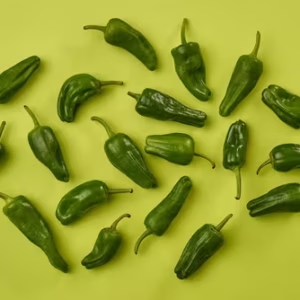
Fresh Padron Peppers 500g
£6.99 — or subscribe to save up to 3% Add to basket -
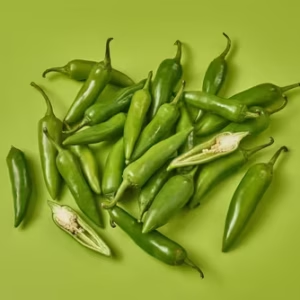
Fresh Chillies Jalapeno 1.5kg
£17.27 — or subscribe to save up to 3% Add to basket -

Raw Golden Beetroot 1kg
£4.99 — or subscribe to save up to 3% Add to basket -
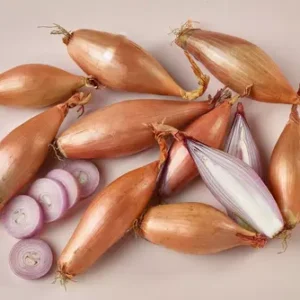
Banana Shallots 2kg
£6.99 — or subscribe to save up to 3% Add to basket -
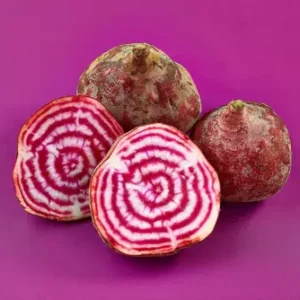
Raw Candy Beetroot 1kg
£4.99 — or subscribe to save up to 3% Add to basket -

Mini King Oyster Mushrooms 1kg
£21.99 — or subscribe to save up to 3% Add to basket -
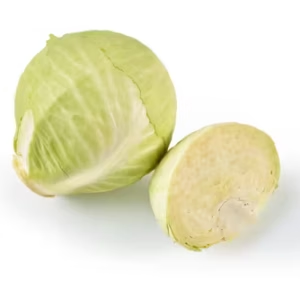
Fresh White Cabbage 1×1
£1.99 — or subscribe to save up to 3% Add to basket -

Scotch Bonnet Chillies BB 250g
£5.99 — or subscribe to save up to 3% Add to basket -
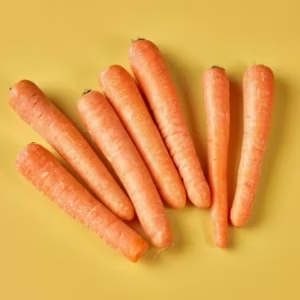
Fresh Carrots 2kg
£3.99 — or subscribe to save up to 3% Add to basket -
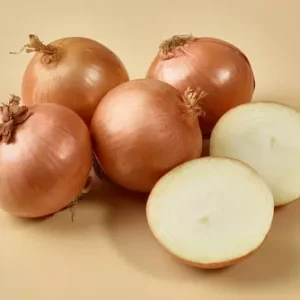
Fresh Large Onions 2.5kg
£3.99 — or subscribe to save up to 3% Add to basket -
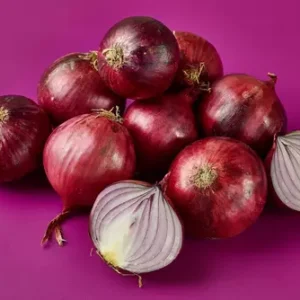
Fresh Whole Red Onion 2.5kg
£3.99 — or subscribe to save up to 3% Add to basket -

Fresh Chillies Red 250g
£3.99 — or subscribe to save up to 3% Add to basket
Vegan Pantry Essentials
-

Cirio Supercirio Double Concentrated Tomato Puree 140g
£1.29 — or subscribe to save up to 3% Add to basket -
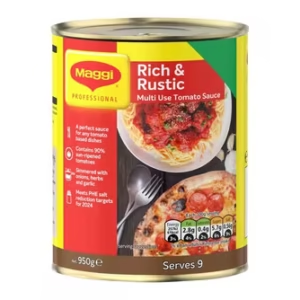
Maggi Rich & Rustic Tomato Sauce 12 x 950g
£48.99 — or subscribe to save up to 3% Add to basket -
Cirio Polpa Chopped Tomatoes 6 x 2550g
£28.99 — or subscribe to save up to 3% Add to basket -
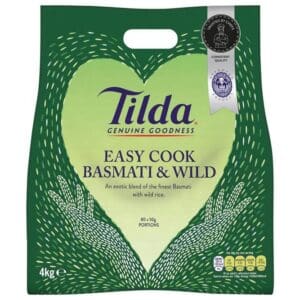
Tilda Easy Cook Basmati & Wild Rice 4kg
£26.99 — or subscribe to save up to 3% Add to basket -

De Nigris Classic Balsamic Glaze 500ml – Sweet & Tangy Modena Vinegar Reduction
£7.99 — or subscribe to save up to 3% Add to basket -

Cirio Passata Sieved Tomatoes 1000g
£2.79 — or subscribe to save up to 3% Add to basket -

Tilda Pure Microwave Basmati Rice Classics 6 x 250g
£7.99 — or subscribe to save up to 3% Add to basket -

Amoy Coconut Milk 12 x 400ml
£32.39 — or subscribe to save up to 3% Add to basket
Vegan Sauces and Condiments
-

Vadasz Hot & Sweet Jalapeno Relish 1kg
£15.99 — or subscribe to save up to 3% Add to basket -

Princes Rhubarb Solid Pack 2.82kg
£15.99 — or subscribe to save up to 3% Add to basket -

Vadasz Raw Garlic & Dill Sauerkraut 1kg
£18.99 — or subscribe to save up to 3% Add to basket -

Henderson’s Spicy Table Sauce 1ltr
£8.99 — or subscribe to save up to 3% Add to basket -
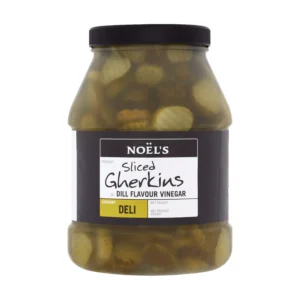
Noel’s Sliced Gherkins with Dill 2.45kg
£19.99 — or subscribe to save up to 3% Add to basket -

Street Food Burmese Lime Leaf & Lemongrass Paste 1kg
£21.99 — or subscribe to save up to 3% Add to basket -

Lion Vegan Garlic Mayo 1kg
£6.99 — or subscribe to save up to 3% Add to basket -

Hellmann’s 100% Plant Based Mayo Squeezy 430ml
£4.99 — or subscribe to save up to 3% Add to basket
Fresh vegetable storage FAQs
Common questions about storing fresh vegetables after shopping online.
Where should I store fresh vegetables?
Follow the storage instructions on the product packaging or label. Many fresh vegetables are suitable for fridge storage, especially delicate or fast-spoiling items.
Should fresh vegetables be stored in the fridge drawer?
Fridge drawers can be useful for salad vegetables, leafy greens and other fresh vegetables because they help keep produce separate and protected from heavier items.
Should I wash vegetables before storing them?
In many cases, it is better to keep vegetables dry during storage and wash them before preparation or eating. If vegetables are washed in advance, dry them properly and store them suitably.
How can I make fresh vegetables last longer?
Check products on arrival, follow packaging instructions, store vegetables correctly, avoid excess moisture, use delicate items first and plan meals around the vegetables that need using soonest.
Can I prepare vegetables in advance?
Yes, but prepared or cut vegetables should be stored in clean, covered containers and used promptly. Follow any storage instructions shown on the packaging.
What should I do if fresh vegetables arrive damaged?
Contact Nicol Retailer through live chat and provide your order number, product name and clear photos of the issue so our support team can review it.
Ready to shop fresh vegetables online?
Browse fresh vegetables, vegan pantry products and sauces from Nicol Retailer, then store your ingredients carefully for stir-fries, curries, salads, soups and home-cooked meals.
Nicol Retailer Limited
15-16 Dodson Way, Fengate, Peterborough, PE1 5XJ
Telephone: 01733 602488
Need help with a fresh vegetable order?